I enjoy sharing a special meal, but I also relish dining solo, especially when I travel. There’s a freedom in being able to choose exactly where I want to go, follow my own whims and settle fully into the experience without worrying whether my dining partner is enjoying the experience. Dining solo lets me focus more closely on the meal, the pacing, the room and the small details that are easy to miss when my attention is split elsewhere.
In Kyoto, that led me to two meals I booked knowing I’d be dining solo. I’ve spent a lot of time in the city over the years, and while I return constantly to traditional Japanese food, I also try to leave room for one or two meals that explore a different side of fine dining in Japan. More often than not, these are the meals I end up doing alone. It wasn’t until after I’d made both reservations that I realized they each leaned Italian; one often dubbed “the pizza restaurant,” the other “Michelin-starred Italian.” But what stayed with me wasn’t that shared lens, but how naturally both experiences held up to being there alone. Neither felt like a compromise, and neither felt lonely.
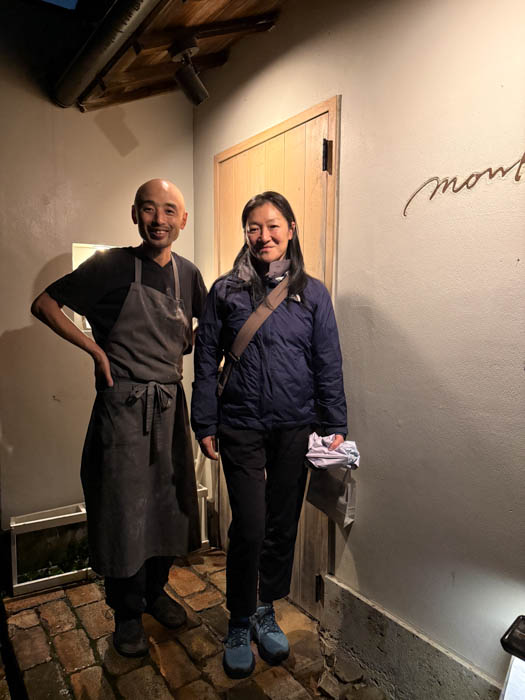
The first of those meals was at Monk Kyoto, chef Yoshihiro Imai’s intimate restaurant along the Philosopher’s Path. Many people outside Japan first came to know Monk through Netflix’s Chef’s Table: Pizza, but what makes Imai’s cooking special goes far beyond pizza itself. His cooking blends a background in wood-fired pizza and Italian influences with a deeply Kyoto approach to ingredients and sourcing. Through each course, you feel connected to the seasons, the local producers, and the quiet confidence in letting ingredients speak for themselves. The chef’s passion for pizza is evident from the beginning, but it’s all filtered through a distinctly Kyoto sensibility.
The experience at Monk begins before you even arrive. It’s a notoriously difficult reservation to get, but one I managed to secure. On the night of my reservation it was raining horribly and my taxi dropped me off further down the Philosopher’s Path than the restaurant had suggested. I took it all in stride and relished the peaceful walk through the normally busy pathway.
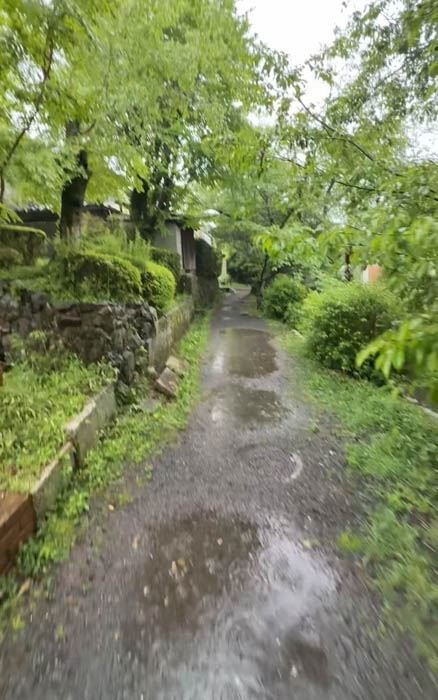
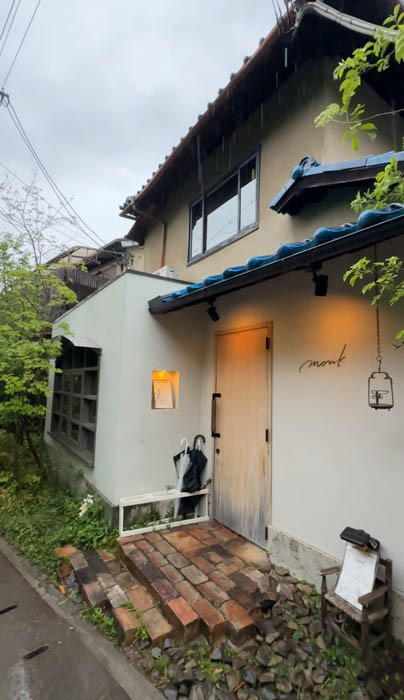
With just six seats at the counter, I requested not to sit on the end and then arrived early, hoping to avoid the two seats tucked behind the pizza oven. I was greeted warmly as I entered the warm dining room on the damp spring evening and immediately knew I was in for an incredible meal.
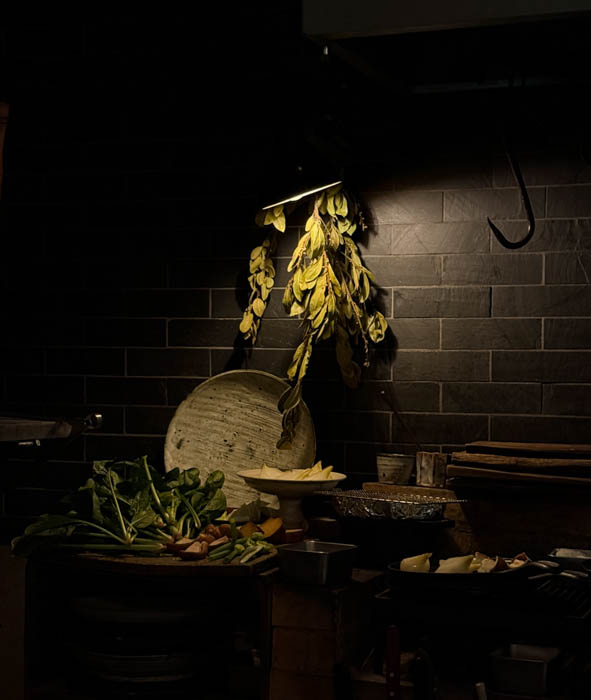
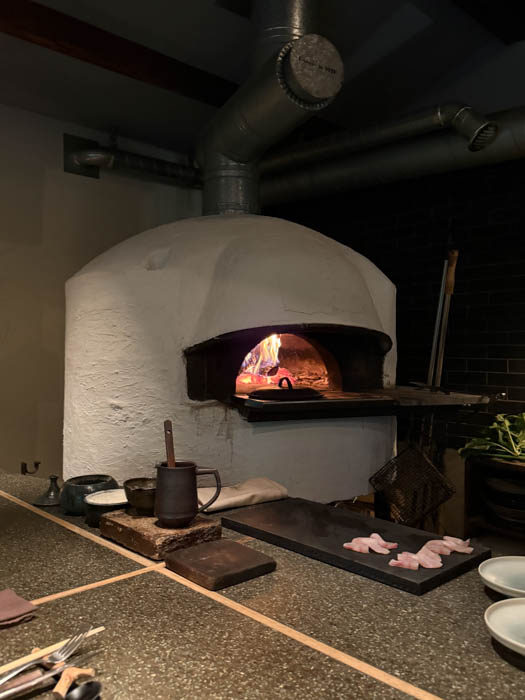
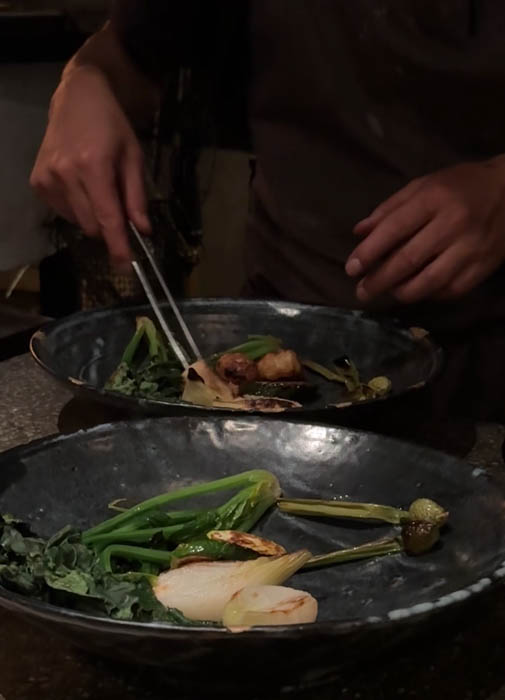
Dining solo at Monk feels completely natural. The room is intimate and I quickly settled into the rhythm of the meal. The chef is friendly, but you have to work a little to engage, which fits the quiet, introspective feel of the restaurant. It was incredible to witness the precision in the kitchen with just Chef Imai and his sous preparing and serving each course to the diners.
The meal opens with a pizza bianco. It was simple and direct, but also a clear signal of what was to come. It built anticipation quietly, setting the tone for the restraint and confidence that carried through the rest of the meal.
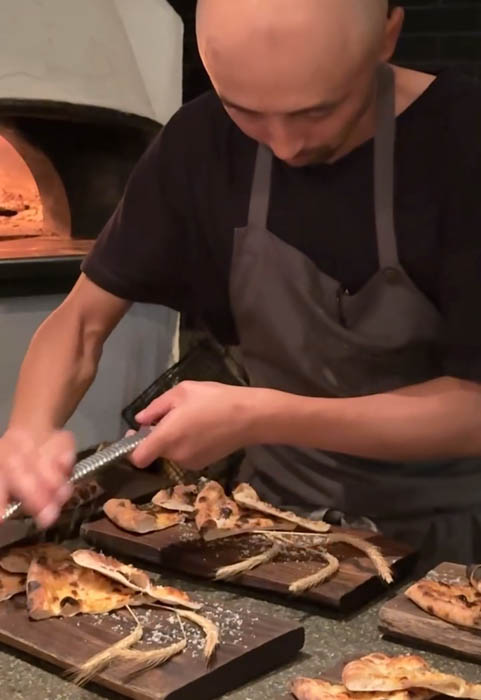
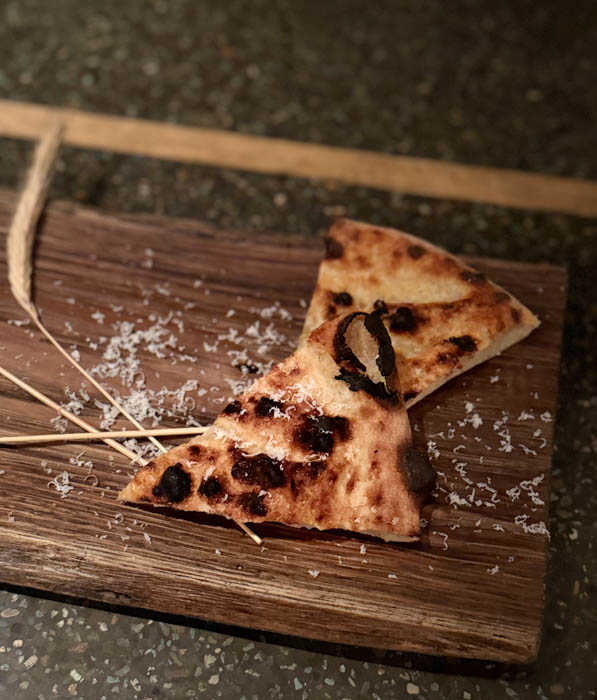
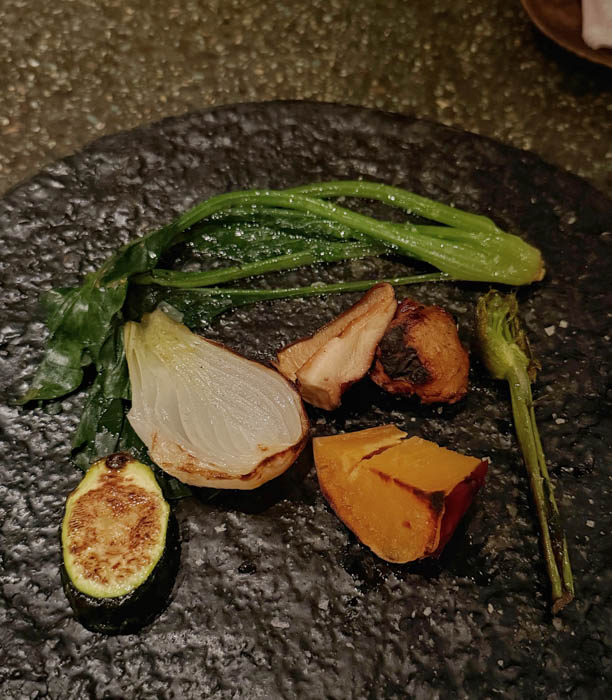
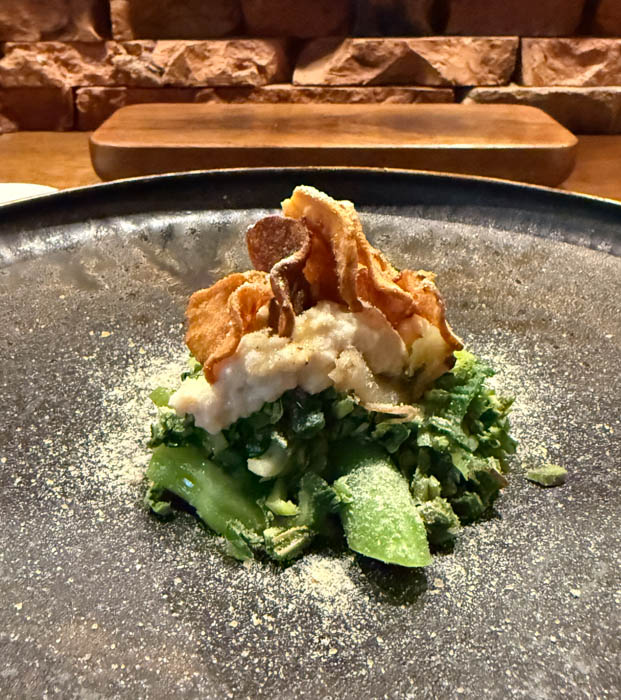
From there, the pacing unfolded steadily and was shaped by what was available from local suppliers. Farmers, cheesemakers and the daily market inspired each course. I hadn’t expected the number of vegetable-forward dishes, but no surprise to me, they ended up being the most memorable. Nothing felt heavy or overly complicated, just balanced and thoughtful.
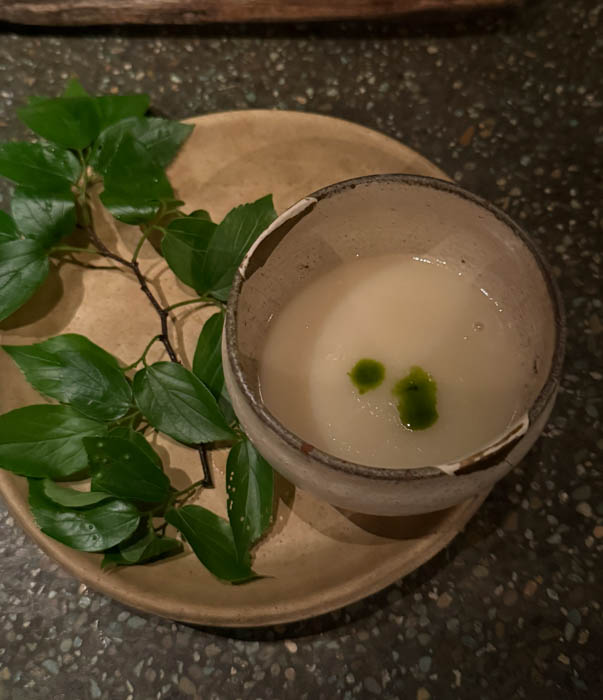
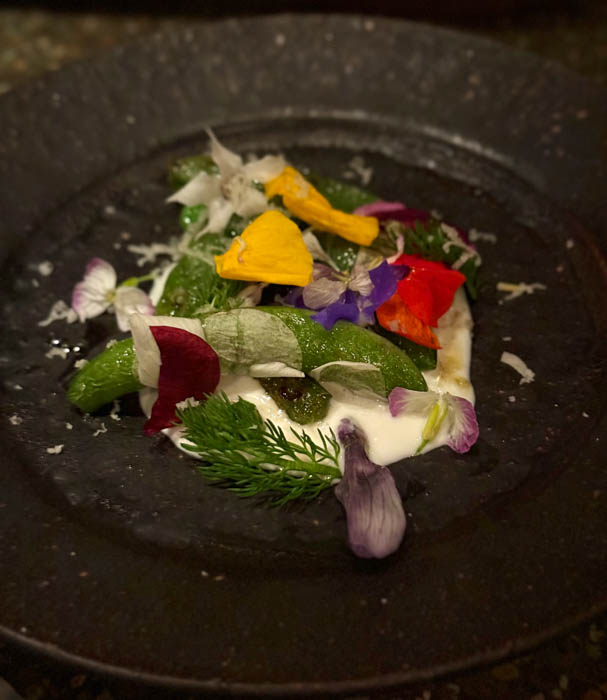
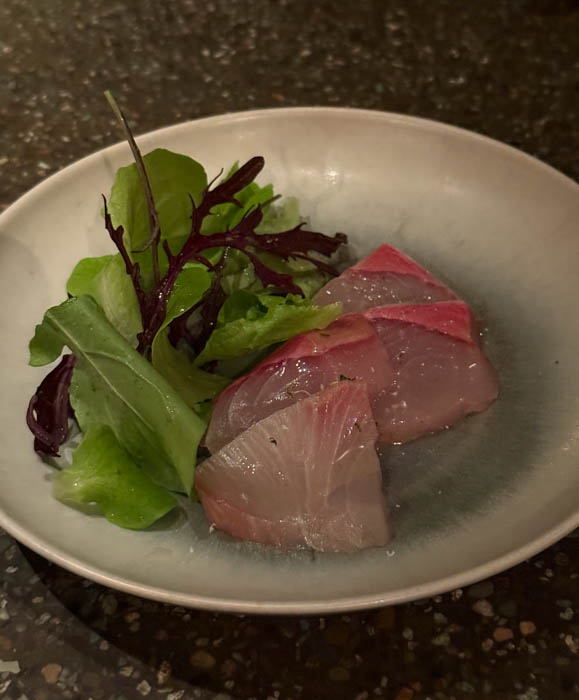
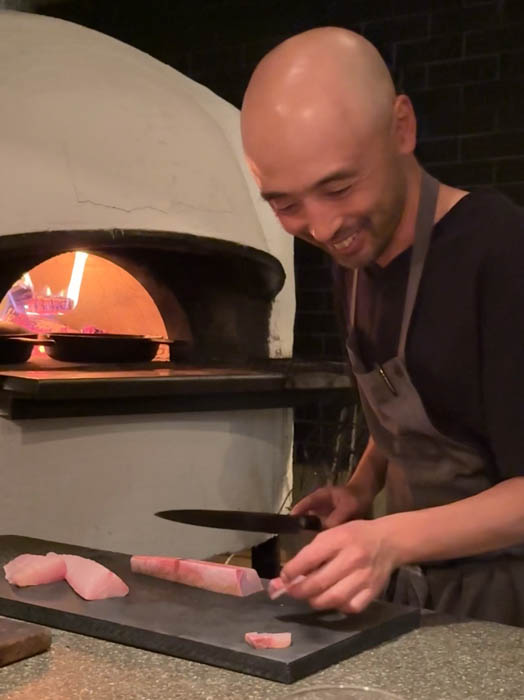
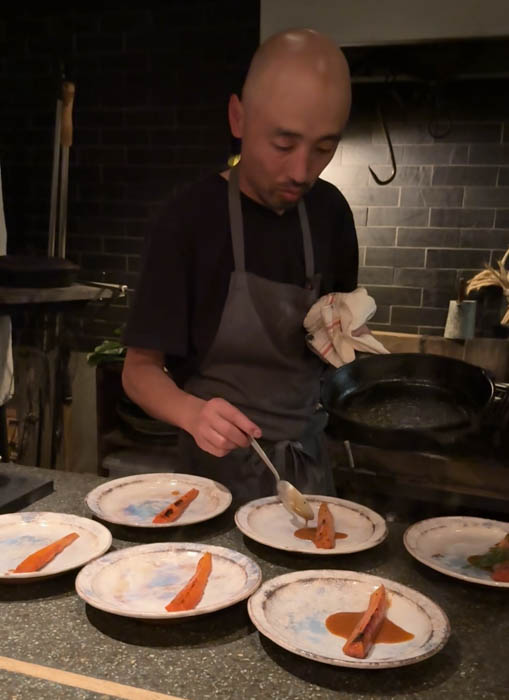
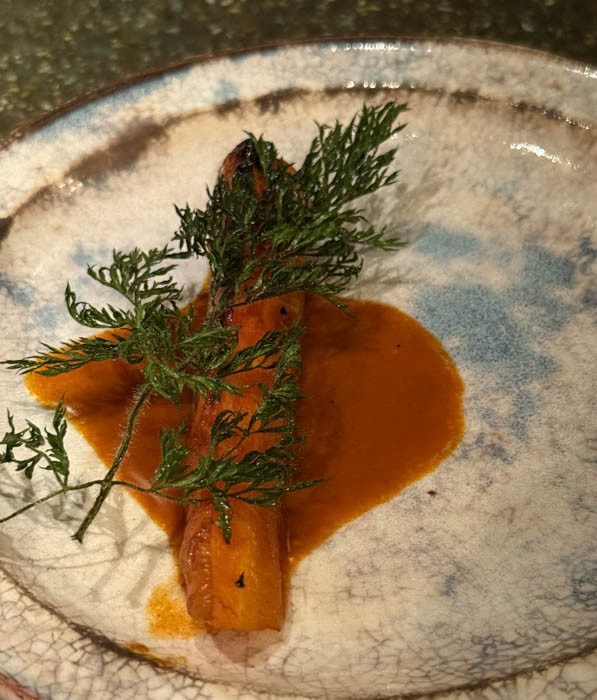
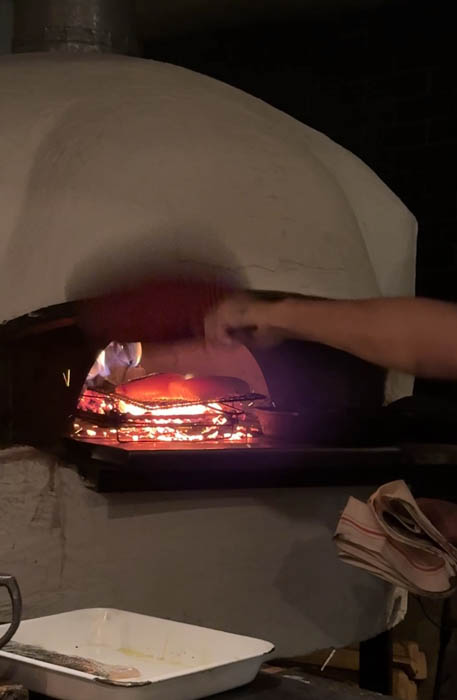
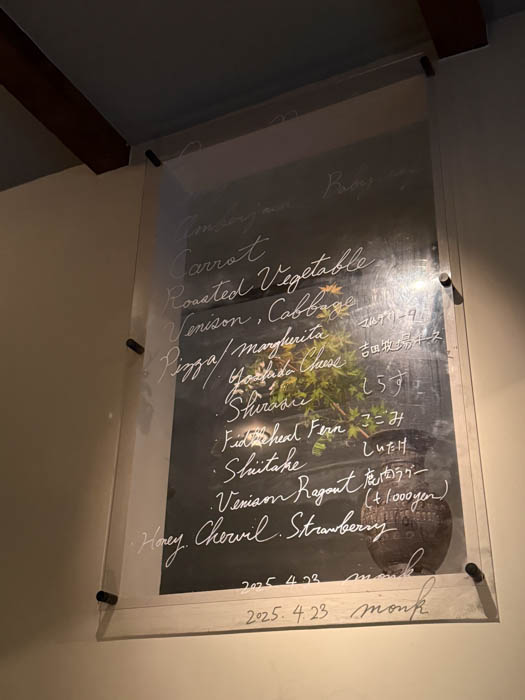
Then came what most people know the restaurant for, the pizza. There were four or five choices listed on the board ranging from margherita, cheese to shiitake, whitebait and fiddlehead. While couples share one larger pie, solo diners are served a smaller one with their own selection. Being on my own, I was happy not to have to compromise on my desires.
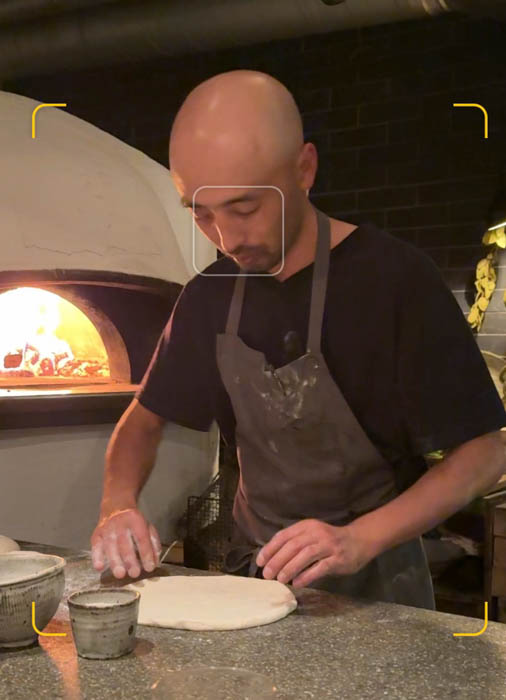
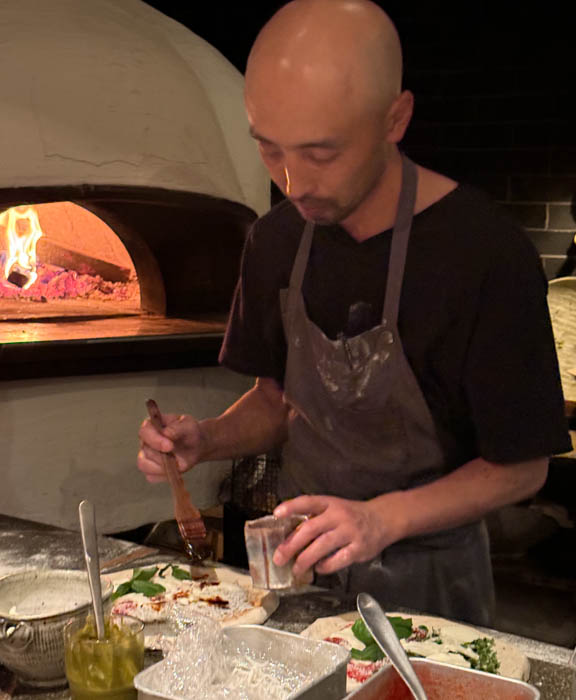
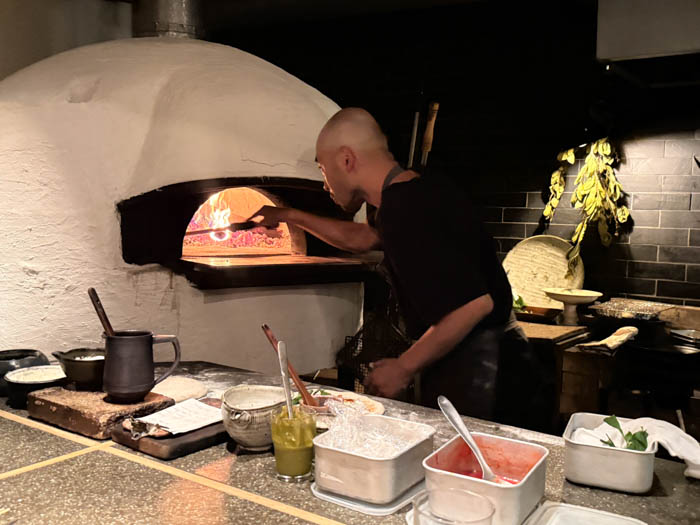
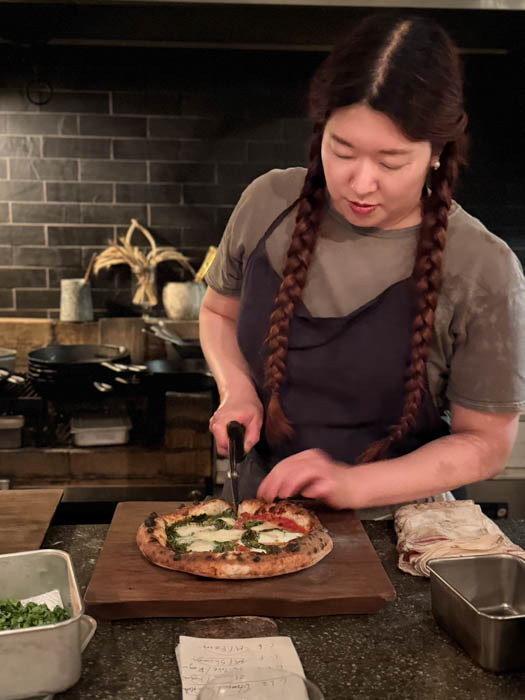
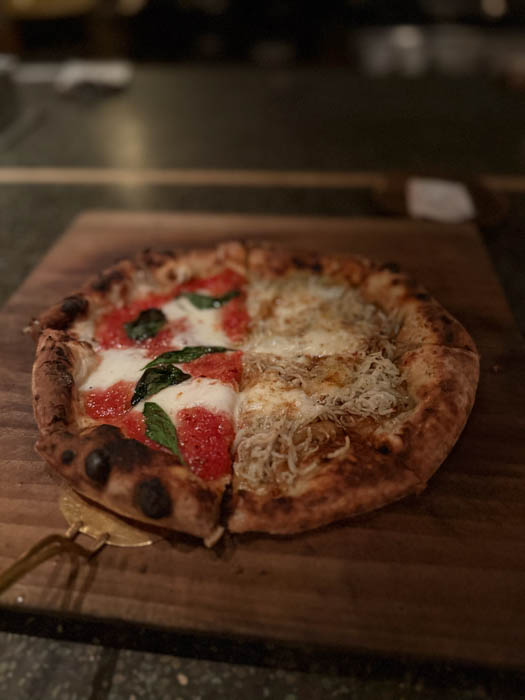
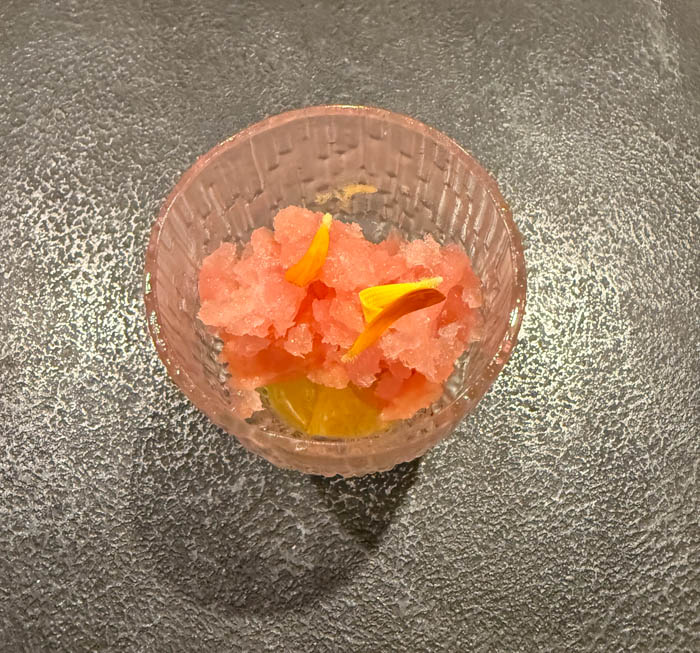
A simple dessert arrived after the pizza and the atmosphere at the counter noticeably softened. As Chef Imai began cleaning up after the meal, diners lingered a little longer and conversations opened up. It struck me that while I had come to Monk alone, the incredible meal itself became a shared experience that bound us together.
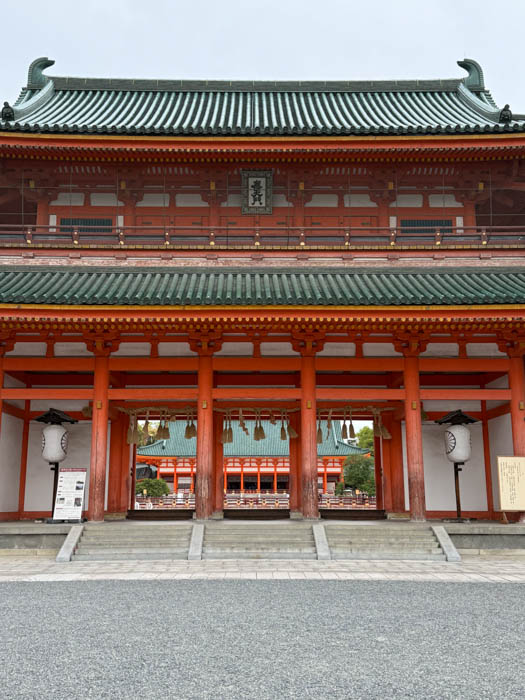
The feeling stayed with me through to a week later as I headed to Cenci for another solo meal. In fact, I almost didn’t go at all. My evening at Monk had felt so complete that I knew it couldn’t be replicated, and after weeks of incredible eating in Japan, I wasn’t sure I had room for another long tasting menu. But arriving early for the meal, I was able to walk quietly through the streets of Kyoto. The restaurant sits near Heian Shrine, and walking through the expansive shrine grounds beforehand created a kind of quiet transition from the pace of the city into the meal ahead. I’m glad I didn’t cancel.
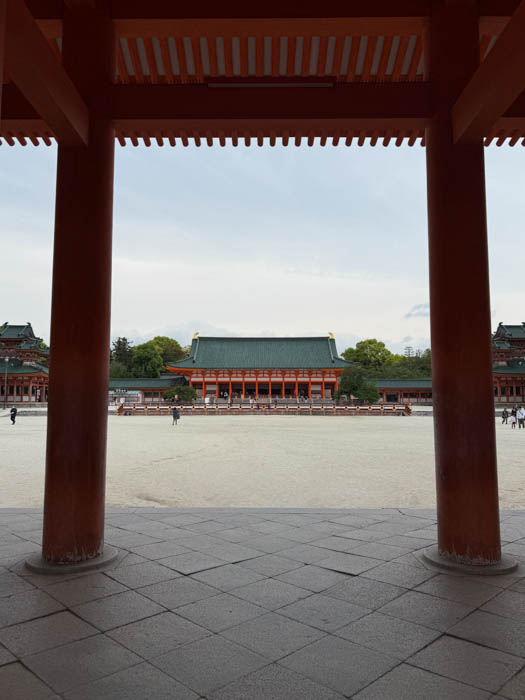
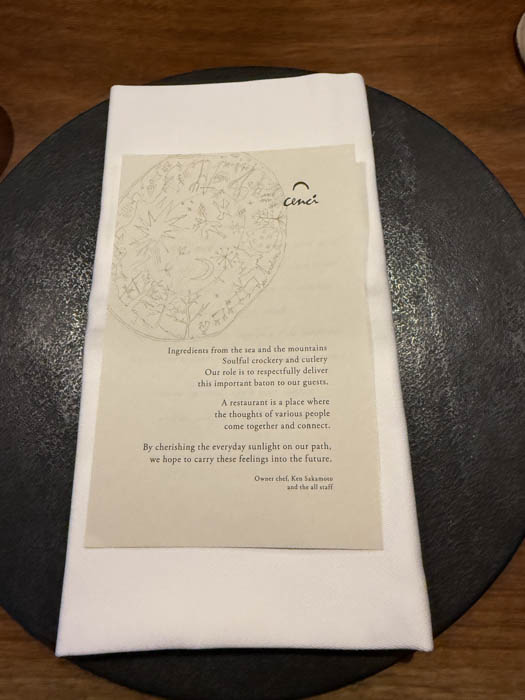
Chef Ken Sakamoto’s Michelin-starred Cenci is often simply described as “Italian,” but the cooking is rooted more in approach than strict tradition. After training in both Japanese and Italian kitchens, Sakamoto has built a style of cooking that blends Italian technique and structure with Kyoto ingredients and sensibilities, creating something distinctly his own. I was happy they offered an abbreviated seven-course lunch, which suited my appetite far better by that point in the trip.
Dining solo at Cenci takes on a different rhythm. You’re still seated at the counter, but instead of looking directly into the kitchen, it sits just out of view. Rather than feeling removed, it shifted the experience. I found myself more inclined to start conversations with the two solo diners seated on either side of me, and thankfully one reciprocated as the courses deserved conversation.
The chef comes out to speak to each guest at the start of the meal, something I haven’t experienced before, and especially thoughtful when you’re dining on your own. This warmth in hospitality which carried throughout the meal. The service throughout was exceptional while carrying a comfortable elegance that never felt stiff or formal.
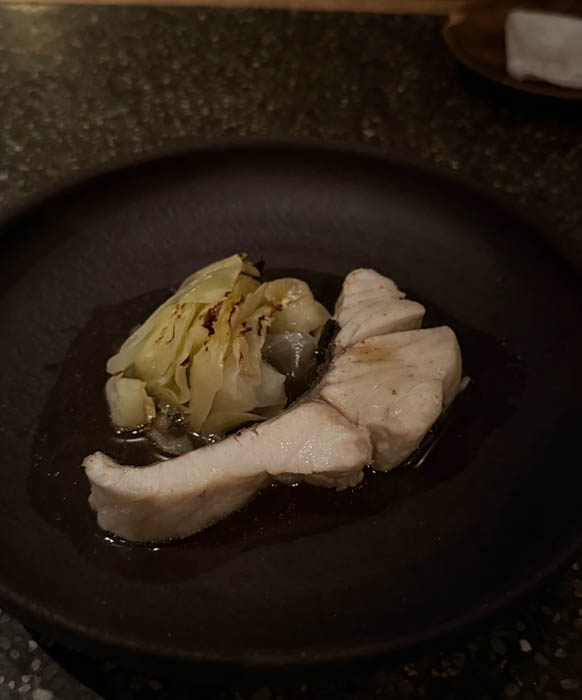
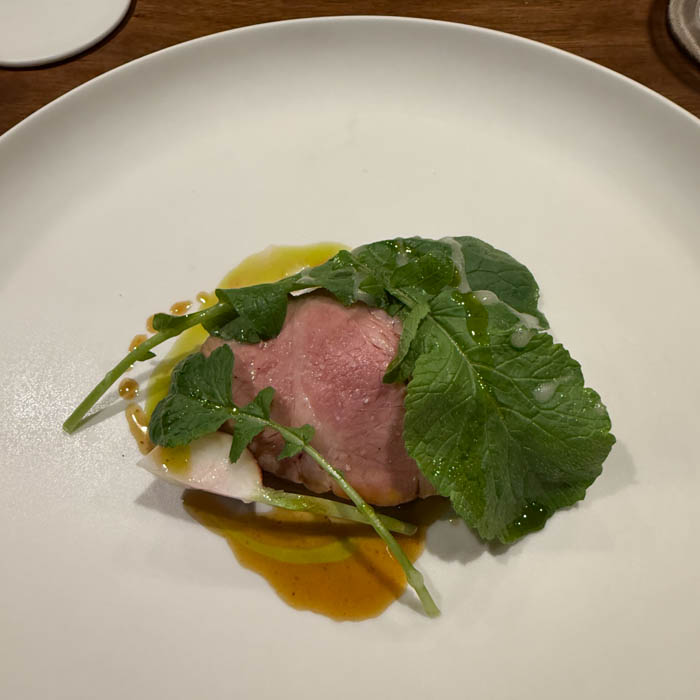
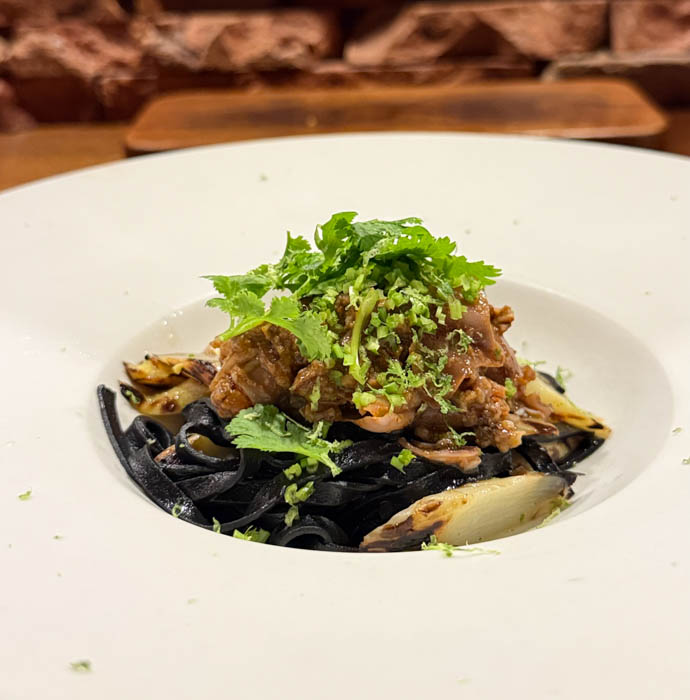
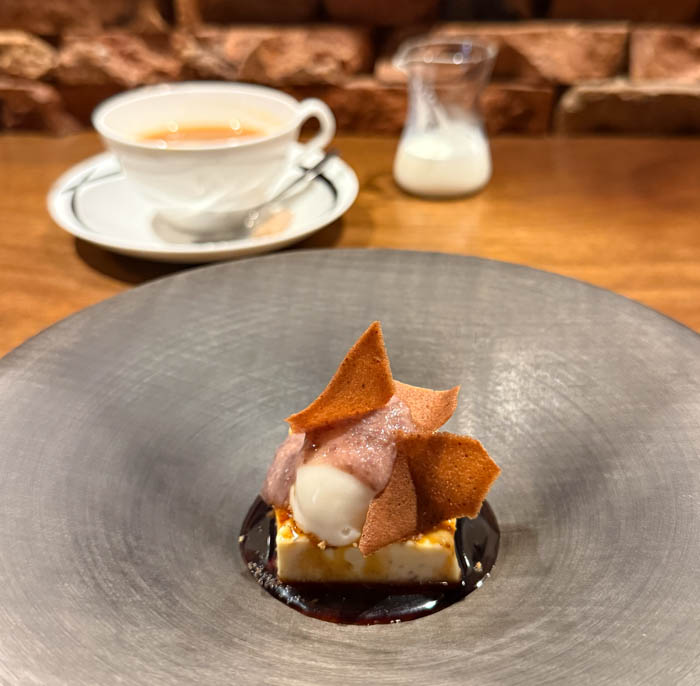
The meal itself was refined, but never at the expense of the ingredients. Behind each course was a clear intentionality, with careful combinations that reflected both the moment and the place. The dishes felt thoughtful and composed, each plate building a quiet narrative through texture, balance, and the way the ingredients were allowed to speak for themselves.
Like Monk, there’s a strong connection to local at Cenci, but it reveals itself differently. At Monk, each ingredient is given space to stand on its own, with the cooking focused on highlighting its individual character. At Cenci, the ingredients are more intertwined. Multiple components work together in harmony to create a finished plate that feels layered, balanced, and refined. Italian technique shapes that structure, while the flavours and sensibility remain deeply rooted in Kyoto.
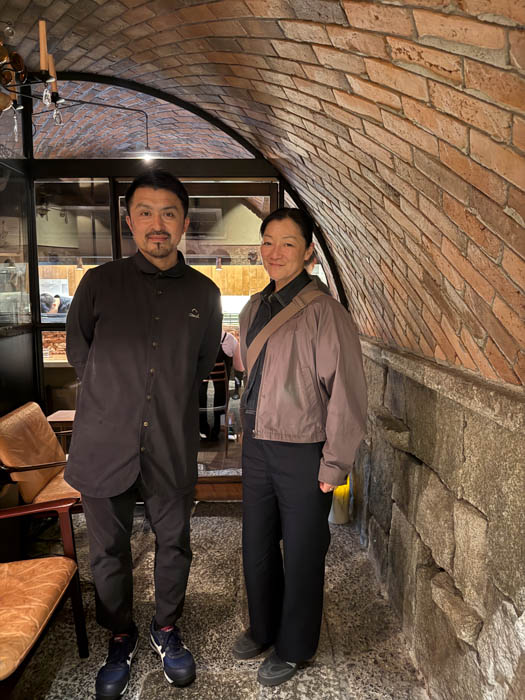
At the end of the meal, Chef Sakamoto personally sees each guest out of the restaurant, a gesture that leaves a lasting impression, especially when dining alone. That kind of hospitality creates an immediate sense of connection, not just to the chef, but to the care and thoughtfulness behind the entire meal. It was warm without feeling performative, and as I left the restaurant, the experience felt deeply personal.
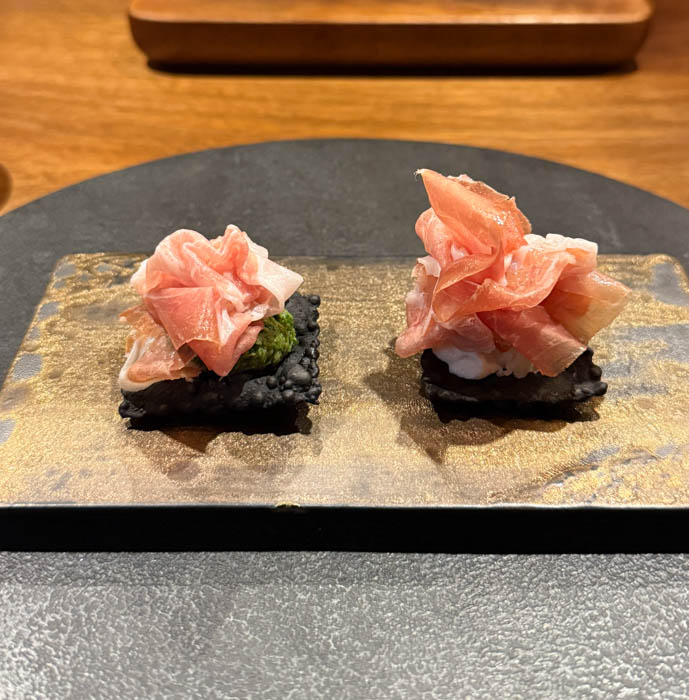
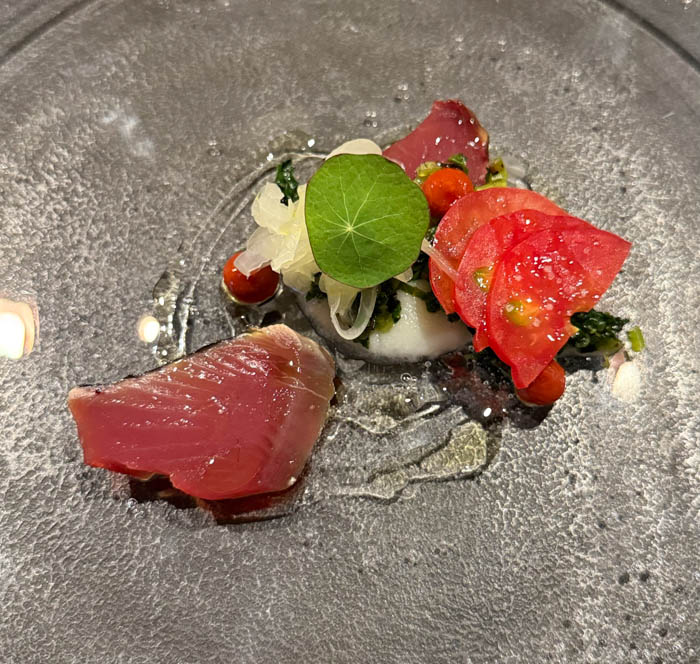
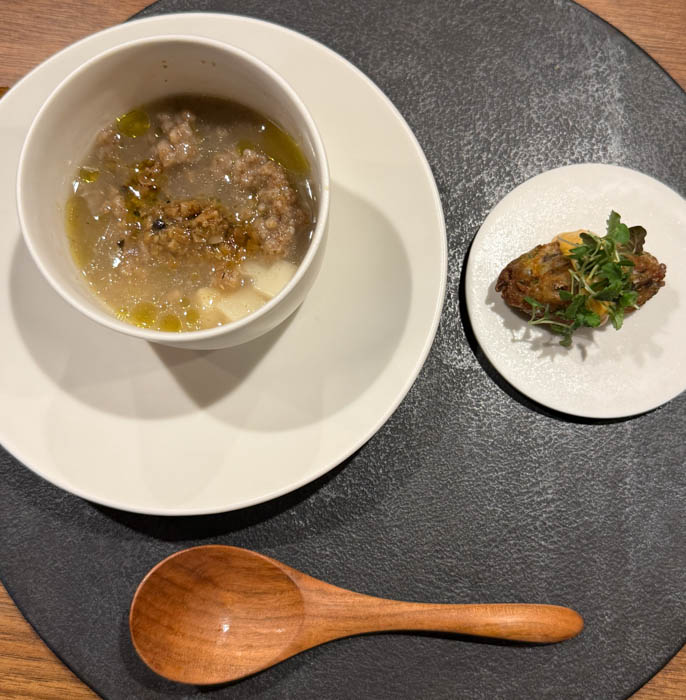
For all the differences between Monk and Cenci, both left me feeling the same way at the end of the meal. I felt connected not just to the cooking and the chefs, but also to the strangers seated around me, all sharing the same fleeting experience.
I arrived at both restaurants alone, but neither meal felt solitary. Somewhere between the conversations, the pacing of the courses, and the shared appreciation for what was happening in front of us, the meals became something communal. Looking back, what’s stayed with me isn’t just what I ate, but the feeling of having briefly shared something meaningful with the people around me. A reminder that even when you choose to dine solo, exceptional meals still have a way of bringing people together.

 Call Me a Food Lover...